
Blog
The III Warsaw Forum of Driver Training Centres (OSK) and Driving Instructors focused on key changes to driver training and examinations planned for 2026, as well as challenges linked to the growing prevalence of modern vehicle technologies. The event was opened by the Deputy Director of WORD (Voivodeship Road Traffic Centre), Mr. Tomasz Matuszewski, who emphasized the importance of cooperation between OSK, examination centres, public institutions, and academic partners to ensure coherent implementation of new regulations and technical solutions.
In the human factors segment, Mr. Radosław Potrac discussed the role of motivation in training candidates for driving licences, highlighting how goals, feedback, and instructor support strengthen safe driving habits. Dr. Eng. Mateusz Ziubiński of the Military University of Technology provided an overview of active and passive safety in modern vehicles, outlining levels of automation and driver responsibility, as well as widely used assistance systems (including ACC, LKA, BSD), with particular attention to airbag development and pedestrian protection.
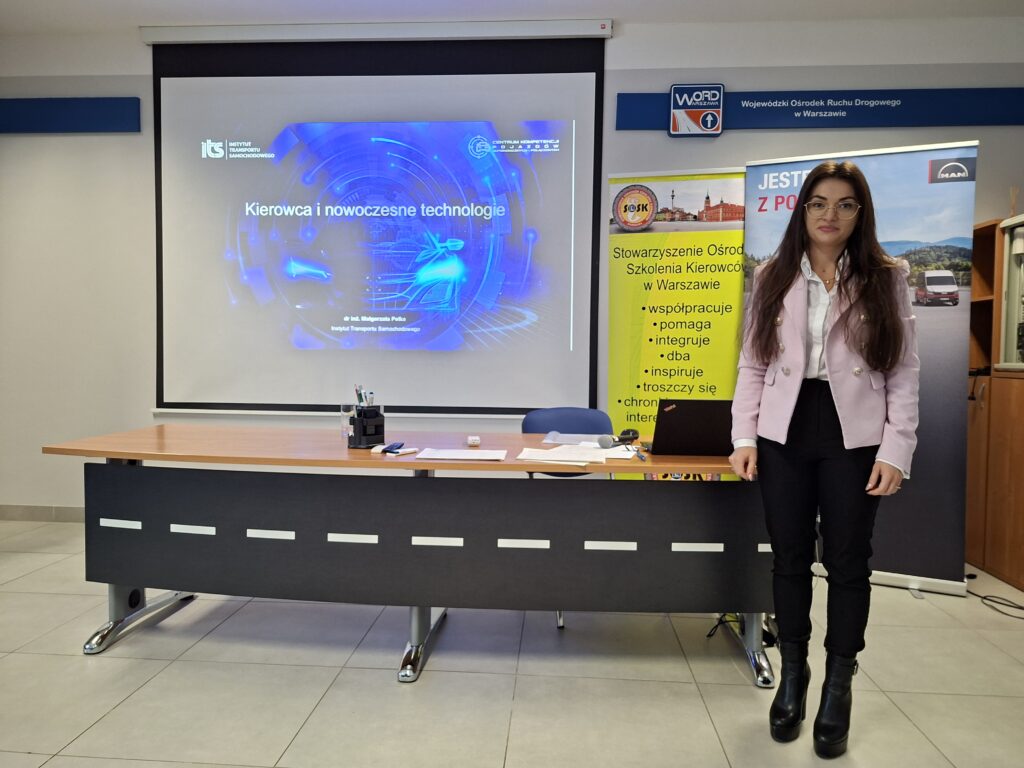
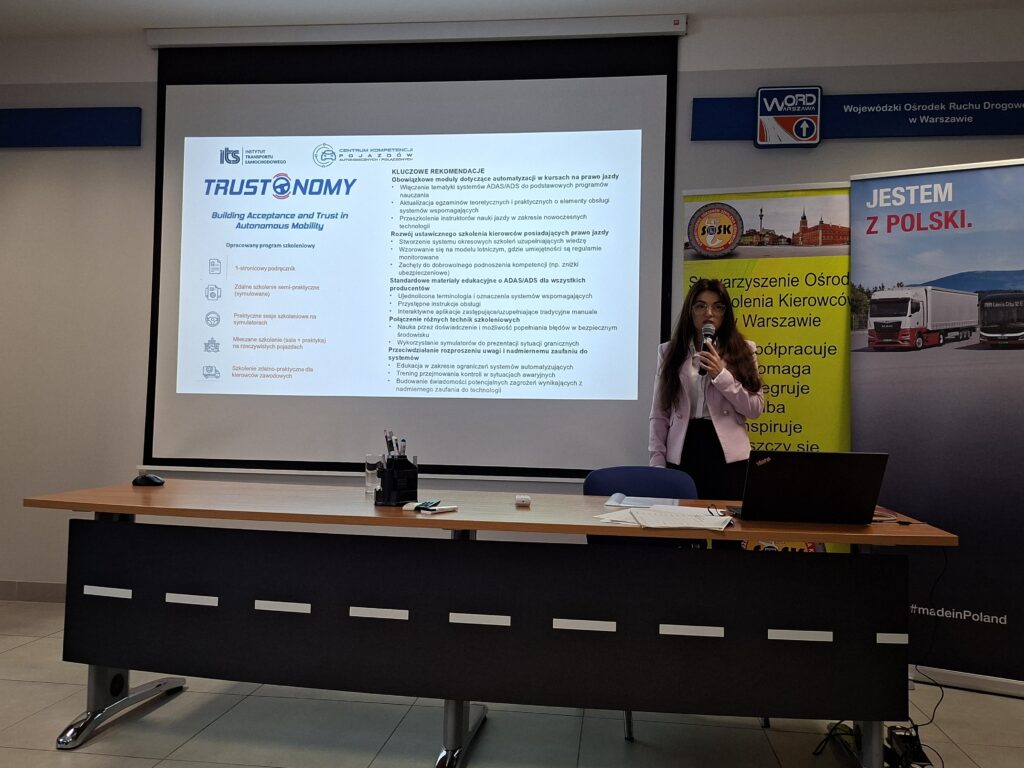
In the “Driver and modern technologies” block, CK:PAP ITS expert Dr. Eng. Małgorzata Pełka, Deputy Head of CK:PAP, reviewed regulatory updates (General Safety Regulation) and the new EU driving licence directive, including the requirements for the use of ADAS during the practical exam and the need to assess drivers’ competence in safe and appropriate system use. Drawing on the TRUSTONOMY and OCEPEŁ projects, she presented a driver competence map, theoretical and practical training modules, and a position paper with implementation recommendations. Based on these results, she outlined ADAS-related training and examination guidelines, stressing understanding of system limitations, activation/deactivation, emergency procedures, and alignment of exam requirements with the equipment actually fitted to OSK and WORD vehicles, as well as the role of instructors and examiners in assessing proper system use rather than replacing core driving skills. The presentation drew strong interest, and WORD representatives expressed readiness to embark on the recommended training, with particular emphasis on practical workshops for instructors and examiners. From an implementation perspective, the need for systematic staff upskilling and coordinated rollout of technical and legal changes in training and exam programs was underlined.
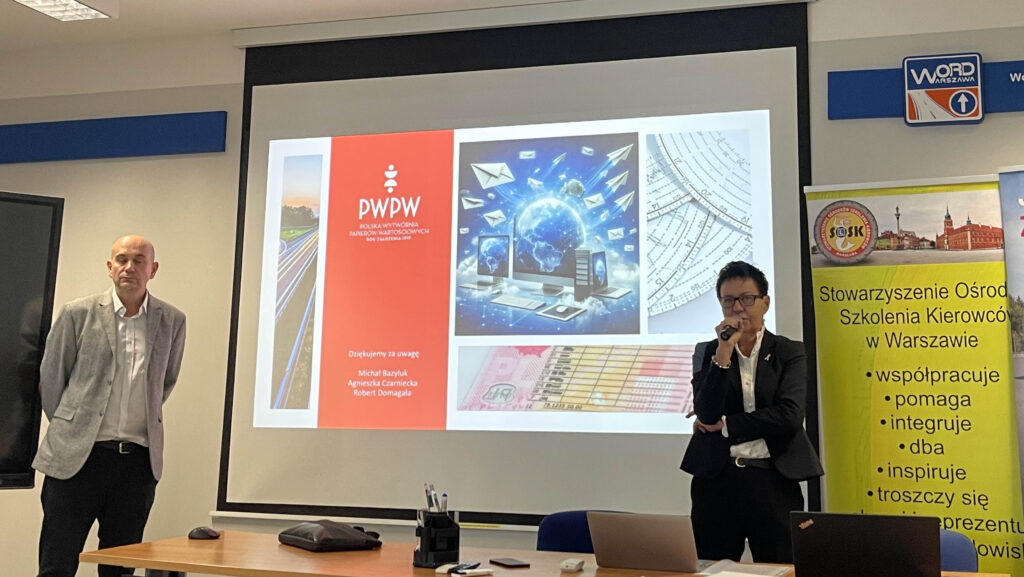
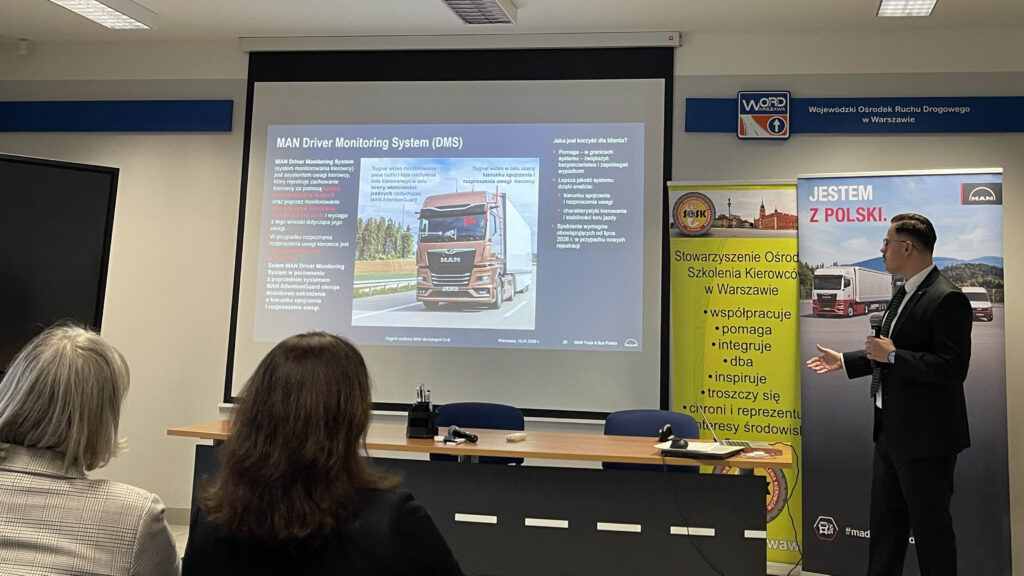
The administrative segment led by PWPW S.A. clarified procedures for retrieving, updating, and “releasing” PKK records, with particular guidance for handling 17-year-old candidates. WORD Warsaw presented conclusions following the introduction of new exam vehicles, noting brand-related differences in pass rates and reporting a drop in pass rates to around 30% in 2026 after the regulatory changes, while the current exam waiting time is approximately 21 days. The Head of the Supervision and Penalties Department (BAiSO) delivered post-inspection remarks and recommendations for OSK, structuring quality and documentation requirements. The Ministry of Infrastructure team provided a comprehensive legislative overview, including the helmet mandate for persons under 16 on bicycles and scooters (including electric) and for children under 7 transported by bicycle, tougher penalties for speeding and drunk driving, a new basis for driving licence seizure for >50 km/h over the limit on a two-way single carriageway outside built-up areas, the introduction of a two-year probationary period, the e-driving licence, and eligibility to take the test: cat. B from age 17; cat. D and D+E from age 18. From the OSK/WORD perspective, the timeline for the new provisions was clarified, including that 17-year-olds may start courses from 3 March, and attention was drawn to the amended Road Traffic Law sections on automation and autonomous vehicles. The program also covered the use of a MAN tractor unit with semitrailer in training and examinations, highlighting the practical role of driver monitoring, tyre pressure monitoring, and traffic sign recognition in improving road safety.
The event gathered representatives of government and local administration, academic and expert communities (including ITS and WAT), WORD centres, the Police, and OSK industry organisations, enabling a broad exchange of perspectives. In closing, the Deputy Director of WORD offered special thanks to Dr.Eng. Małgorzata Pełka (CK:PAP ITS) and Dr. Eng. Mateusz Ziubiński (WAT) for their substantive contributions and the practical dimension of their presentations. The Forum’s conclusions confirmed the need for coordinated implementation of new training and examination standards and for systematic upskilling of staff in the ADAS field, a theme shared across multiple presentations.